
Think conversation design is complex? You aint seen nothing yet

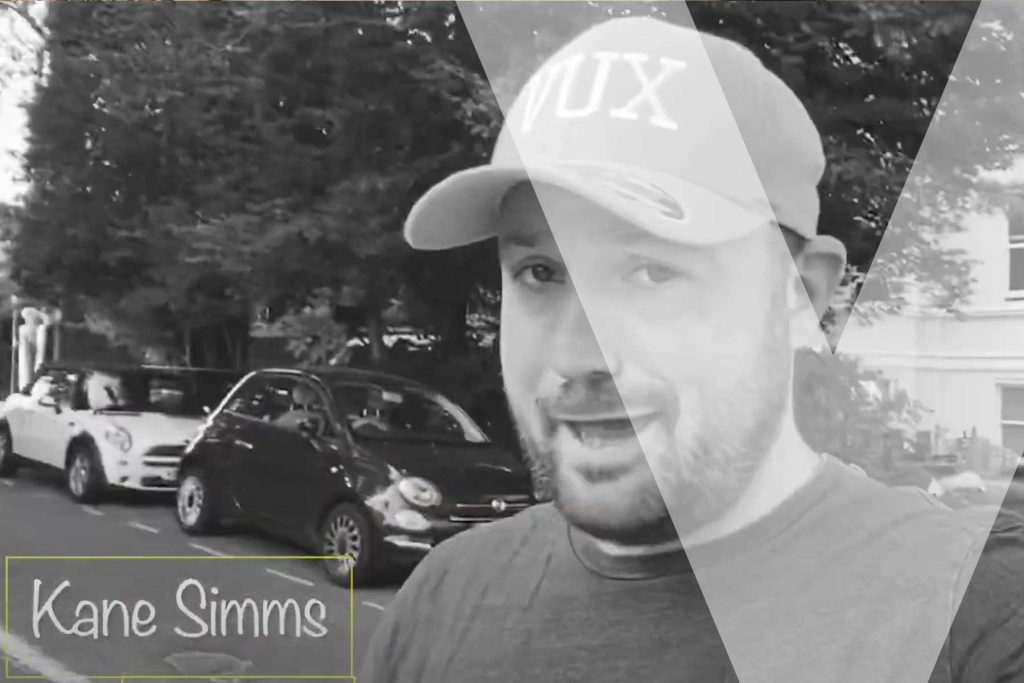
Picture of Kane Simms
Kane Simms
conversation design is changing

If you think conversation design is complex, you ain’t seen nothing yet.

Where we’re heading is for a user to use whatever device or interface is the right device or interface at the time for whatever it is that they need. We’ve been talking about this since the beginning of 2018 with Matt Hartman.

That might be conversational, might be touch and swipe screen-based, it all depends.

And so designing conversations is going to become about designing the right kind of conversation for the right device type and the right environment that our user is in. We spoke about this at length with Google’s Daniel Padgett.

If I’m out and about wearing headphones, I might want something brief. If I’m sitting at home watching TV, I’ve got a bit more time. I might want something a bit more involved.

And so we’re going to start seeing conversations differ depending on the environment the user is in.

We’re already seeing tools that allow conversations to be designed more effectively, like Alexa conversations, but we’re not yet seeing tools that will take environment and device type and physical location into context.

And so I’m excited to see that coming fairly soon (I hope).

So if you think conversation design is complex, it’s going to get more complex before I gets simpler.

Share

Weekly newsletter

The latest in AI-powered customer experience. Make better strategic decisions with the help of our weekly newsletter.

Kane Simms

A strategic AI advisor who, for the past decade, has helped business leaders and product owners transform customer experience using conversational and generative AI.

Share

✓   Link copied

Weekly newsletter

The latest in AI-powered customer experience. Make better strategic decisions with the help of our weekly newsletter.

Top articles and podcasts

Related content

Cobus Greyling: why intents, graphs and conversation design have come full circle
Cobus Greyling on where enterprise AI is really heading: data, security, forward-deployed engineers and conversation design.
From answers to actions: building better government AI
Pete Kowalczyk on knowledge graphs, goal detection and moving AI from answering questions to taking action.
What’s really breaking your AI agents?
Discover where conversational AI projects actually break: contradictory source data, manual process and weak testing.
How Simplyhealth scaled voice AI to resolve 30% of calls
Paul Atkins, Head of Business Optimisation at Simplyhealth, breaks down how they scaled voice AI to resolve almost a third of calls, and what it took to get there.

Register now: Why your contact centre playbook is obsolete